Unlock the secrets to sharing your Steam library with friends and family without hassle! This comprehensive guide delves into "how to borrow game steam" using Steam Family Sharing, a fantastic feature often underutilized by busy US gamers. Discover step-by-step instructions for setup, troubleshooting common issues, and maximizing your shared gaming experience. We cover everything from enabling family sharing to understanding its limitations, helping you make informed decisions. For gamers averaging 10+ hours a week and balancing work and life, stretching your gaming budget and trying new titles is crucial. Learn how this feature lets you dive into new adventures or revisit classics from a loved one's library. This resource is packed with practical tips and current insights to enhance your Steam gameplay, ensuring you get the most value and fun from your digital collection. Say goodbye to buying every game and hello to a broader, more affordable gaming world. Navigate the ins and outs of game sharing and expand your playtime today.
Q1: How do I enable Steam Family Sharing for borrowing games?
A1: To enable Steam Family Sharing, the library owner must log into their Steam account on the computer where the games will be played. Go to 'Steam' > 'Settings' > 'Family' tab, then check 'Authorize Library Sharing on this computer' and select the specific accounts you wish to share with. Ensure Steam Guard is enabled on both accounts for security and functionality. Once authorized, the borrower can log in on the same machine and access the shared games from their library.
Q2: Can I play a borrowed Steam game if the owner is online?
A2: You can play a borrowed Steam game if the owner is online, but only if they are not actively playing any game from their library. If the owner launches any game from their own library, you will receive a notification giving you a few minutes to purchase the game or quit playing. The owner's access always takes priority, so simultaneous play from the same library is not possible with Family Sharing.
Q3: What types of Steam games cannot be shared via Family Sharing?
A3: Certain types of Steam games cannot be shared through Family Sharing. These typically include games that require a third-party key, account, or subscription (e.g., games that use Uplay or Origin), games with specific DRM that prevents sharing, and free-to-play titles as they are already accessible to everyone. Some developers also choose to opt out of Family Sharing for their specific titles. Always check the game's store page for details if you're unsure.
Q4: Is it safe to use Steam Family Sharing with friends?
A4: Yes, Steam Family Sharing is generally safe to use with trusted friends and family, but it comes with a crucial caveat: only share with people you know and trust implicitly. If a borrower cheats or commits fraud while playing games from your shared library, your Family Sharing privileges could be revoked, and your account might even face a VAC ban. Always ensure Steam Guard is active on your account for added security.
Q5: Does borrowed Steam game progress save on my account?
A5: Yes, when you borrow and play a game through Steam Family Sharing, your game progress, achievements, and any save data are stored on your individual Steam account, not the owner's. This means you can pick up where you left off even if you eventually purchase the game yourself, or if the library is shared with you again in the future. Your personal gaming history remains separate and intact.
Q6: What should I do if my borrowed Steam games aren't showing up?
A6: If borrowed Steam games aren't appearing, first verify that Steam Guard is enabled on both the owner's and borrower's accounts. Next, ensure the owner has logged into Steam on the specific computer and explicitly authorized that machine and your account under 'Steam' > 'Settings' > 'Family'. If issues persist, try de-authorizing and re-authorizing the computer, or check if the specific game is one of the types excluded from Family Sharing.
Q7: Can multiple people borrow games from the same Steam library simultaneously?
A7: No, only one person can access a shared Steam library at any given time, including the library owner. If the owner starts playing any game from their library, any borrower currently playing will be given a notice to quit. If another borrower attempts to play, they will be prevented from launching a game until the current player (or the owner) stops using the shared library. It's a one-in, one-out system for active gameplay from a single library.
Hey fellow gamers! Ever stared at your Steam library, filled with amazing titles, and wished a friend or family member could experience them too without buying their own copy? Or perhaps you’re looking to try out a new game without committing your hard-earned cash, hoping a buddy already owns it? You’re not alone. Balancing a job, family, and a thriving gaming habit can be tough, especially when new releases drop every week. Most US gamers, averaging over 10 hours a week, want to maximize their fun and value for money. That's where Steam Family Sharing comes in – a fantastic, often overlooked feature that allows you to share your entire Steam library (or borrow theirs!) with trusted accounts.
In 2026, with mobile gaming still dominating but PC gaming holding its strong ~60% share among dedicated players, finding smart ways to enjoy more games is more important than ever. Whether you're a parent trying to share games with your kids, a sibling wanting to introduce your brother to a classic, or just a friend looking to expand your playtime without breaking the bank, knowing how to borrow game Steam titles efficiently can be a game-changer. This guide is designed for busy adults who love gaming but need practical, no-fuss solutions. We'll walk you through everything you need to know about Steam Family Sharing, from initial setup to common questions, ensuring you spend less time troubleshooting and more time gaming.
Forget the hype and let's get down to brass tacks. We'll cover the 'how-to' in clear steps, address potential pitfalls, and give you the insider knowledge to make this feature work seamlessly for your gaming lifestyle. So, grab a coffee, settle in, and let's dive into expanding your gaming horizons.
What Exactly is Steam Family Sharing and How Does It Work?
Steam Family Sharing is a feature that allows family members and invited friends to play games from one another's Steam libraries while the library owner is not playing. It's designed for sharing games between a limited number of authorized computers. When you authorize a computer for Family Sharing, other Steam accounts logging onto that computer can access and play most games from the library of the authorizing account. This is incredibly useful for households with multiple gamers or close-knit groups of friends who often play on the same machine or trust each other implicitly. It's like lending a physical game disc, but digitally, with a few clever Steam rules.
How Do I Set Up Steam Family Sharing to Borrow Games?
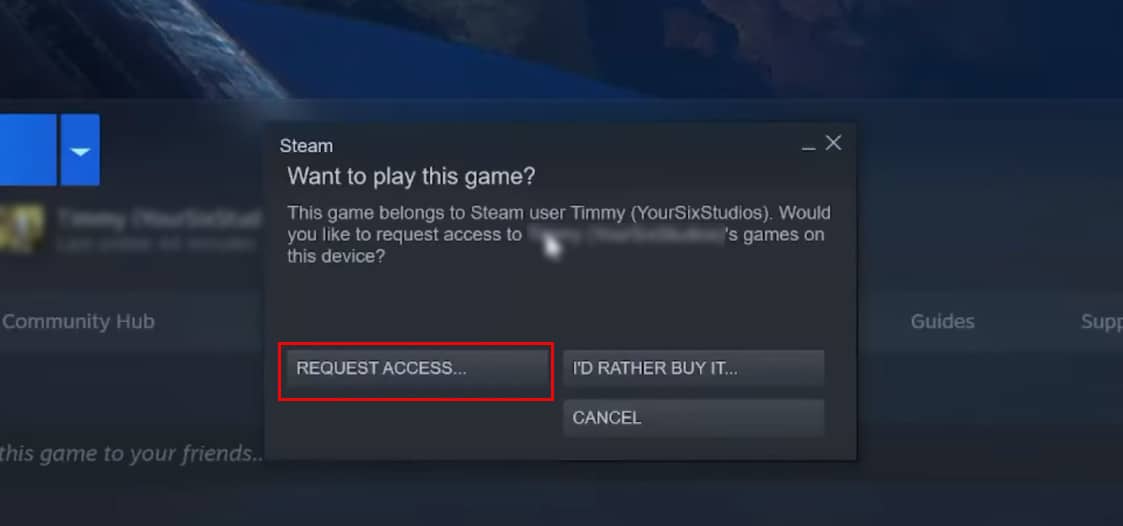
Setting up Steam Family Sharing to borrow games is straightforward, but requires a few key steps. First, ensure Steam Guard security is enabled on your account. This is a crucial safety measure. Then, log into the Steam client on the computer you wish to authorize. Navigate to 'Steam' > 'Settings' > 'Family' tab. Check the box labeled 'Authorize Library Sharing on this computer'. Below that, you'll see a list of accounts that have logged into Steam on that machine. Select the specific account(s) you want to share your library with, or whose library you want to access from this computer. The other user will then see your shared games appear in their library, marked as 'In [Owner's Name]'s Library'.
- Ensure Steam Guard is active on both accounts.
- Log into the Steam account that owns the games on the desired computer.
- Go to Steam > Settings > Family.
- Check 'Authorize Library Sharing on this computer'.
- Select the specific user accounts you wish to grant access to.
- Log out of the owner's account and have the borrower log into their account on the same machine.
- The shared games will now appear in the borrower's library, ready to install and play.
What Are the Limitations When I Borrow a Game on Steam?
While Steam Family Sharing is fantastic, it comes with specific limitations. The most significant is that the library owner always has priority. If the owner of the game library starts playing any game from their library (even if it's a different game than the one being borrowed), the borrower will receive a notice to purchase the game or quit playing within a few minutes. Additionally, not all games are eligible for Family Sharing. Games that require a third-party key, subscription, or account, or those that have specific DRM might be excluded. Borrowers also cannot access DLC owned by the lender unless they purchase it themselves. Furthermore, the borrower's save data remains separate and will not be accessible to the owner. It’s important to understand these boundaries to avoid unexpected interruptions during gameplay.
Can I Borrow Games From Someone Not Physically Near Me?
Yes, you can absolutely borrow games from someone not physically near you! The key is that the computer itself needs to be authorized by the library owner. This means the owner must log into their Steam account on your computer (or any computer where you wish to borrow games) and enable Family Sharing for your specific Steam account on that machine. Once that authorization is done, you can log in as usual and access their shared library, no matter where the owner is located. It's a common misconception that you both need to be on the same local network. This flexibility makes Family Sharing incredibly useful for friends across cities or family members living apart, as long as the initial authorization on the specific machine is completed by the owner.
Are There Any Risks or Security Concerns with Steam Family Sharing?
Like any online sharing feature, there are some considerations. The primary risk is granting access to your library to someone untrustworthy. Steam states that if a borrower cheats or commits fraud while playing your shared games, your Family Sharing privileges may be revoked, and your account could even be VAC-banned. This is why it's critical to only share with people you know and trust implicitly. Always enable Steam Guard for extra account security. Beyond that, the feature itself is designed with security in mind, keeping your personal account data separate from the borrower's. Just be mindful of who you authorize on which machines, especially given that 87% of US gamers regularly play and social interaction is a big part of the experience.
Why Are Some Games Not Available for Family Sharing on Steam?
Not every game in a Steam library is shareable, and this can be a common point of confusion. The main reasons include games that require a third-party account (like an EA Origin account or Uplay), games with specific DRM that tie to a single user, or games that require a subscription. Additionally, free-to-play games are not shareable because they're already free for everyone. Some developers also opt out of Family Sharing for their titles, although this is less common. If you encounter a game that isn't appearing in a shared library, these are the most likely culprits. It's always a good idea to check a game's Steam store page or support forums if you're unsure about its sharing eligibility before planning a co-op session.
What Happens if the Library Owner Starts Playing a Game?
This is one of the most important rules of Steam Family Sharing: the library owner always has priority. If you are borrowing a game and the owner decides to launch *any* game from their library – even a completely different one – you will receive a pop-up notification. This message will inform you that the library owner wishes to play and you have a few minutes (usually 5-10) to either purchase the game yourself or quit playing. If you don't comply within the given time, the game will automatically close. This ensures the owner always has full and uninterrupted access to their purchased games, reinforcing the idea that it's a lending service, not simultaneous access. It's a common experience for busy gamers trying to coordinate playtimes, especially when balancing family obligations.
How Can I Troubleshoot Common Steam Family Sharing Problems?
Encountering issues with Steam Family Sharing can be frustrating, especially when you're looking forward to some relaxation time. Here are a few common problems and their solutions:
Games Not Appearing:
- Ensure the owner has logged into Steam on that specific computer and authorized it.
- Verify that Steam Guard is enabled for both accounts.
- Check if the games in question are excluded from Family Sharing (e.g., third-party DRM).
- Try de-authorizing and re-authorizing the computer in Steam settings.
Steam Family Sharing setup guide; borrowing Steam games process; sharing Steam library benefits; troubleshooting Steam sharing issues; maximizing game access on Steam.
35


How To Borrow Games On Steam Updated Guide YouTube . How To Borrow Games On Steam 2024 YouTube . How To Borrow Games On Steam Easy Fix YouTube . How To Borrow Games On Steam YouTube . How To Borrow Games On Steam In 2024 The Ultimate Guide YouTube


How To Borrow Games On Steam Easy Tutorial YouTube . How To Borrow Games On Steam Quick Easy 2025 YouTube . How To Share And Borrow Games On Steam YouTube . How To Borrow Games On Steam YouTube . Steam March 2026 Client Update Adds Hardware Specs To User Reviews Steam Client Mar 2026


The Most Played Games On Steam For 2026 So Far Cheat Code Central Most Played Games Steam 2026 2048x1167 . Can You Rent Games On Steam At Maria Baum Blog Request Access To Borrow Games . How To Borrow Games On Steam YouTube . How To Buy Games On Steam 2026 Full Guide YouTube . How To Borrow Games On Steam 2026 From Friends YouTube



How To Borrow Games On Steam YouTube . How To Borrow Games On Steam 2024 Updated Method YouTube . How To Borrow Games On Steam 2024 Share Games On Steam YouTube . How To Share Games On Steam With Steam Family 2026 Guide YouTube . How To Borrow A Game On Steam Quick Easy YouTube



How To Borrow Games On Steam Quick Guide YouTube . How To Return A Game On Steam Complete 2026 Refund Guide Technerdo Image. Steam Sales 2026 Calendar Full Dates Best CD Key Deals AllKeyShop Com All Steam Events 2026. How To Add A Game To Your Steam Library 2026 Step By Step Guide . How To Borrow Games On Steam 2026 Easy Tutorial YouTube
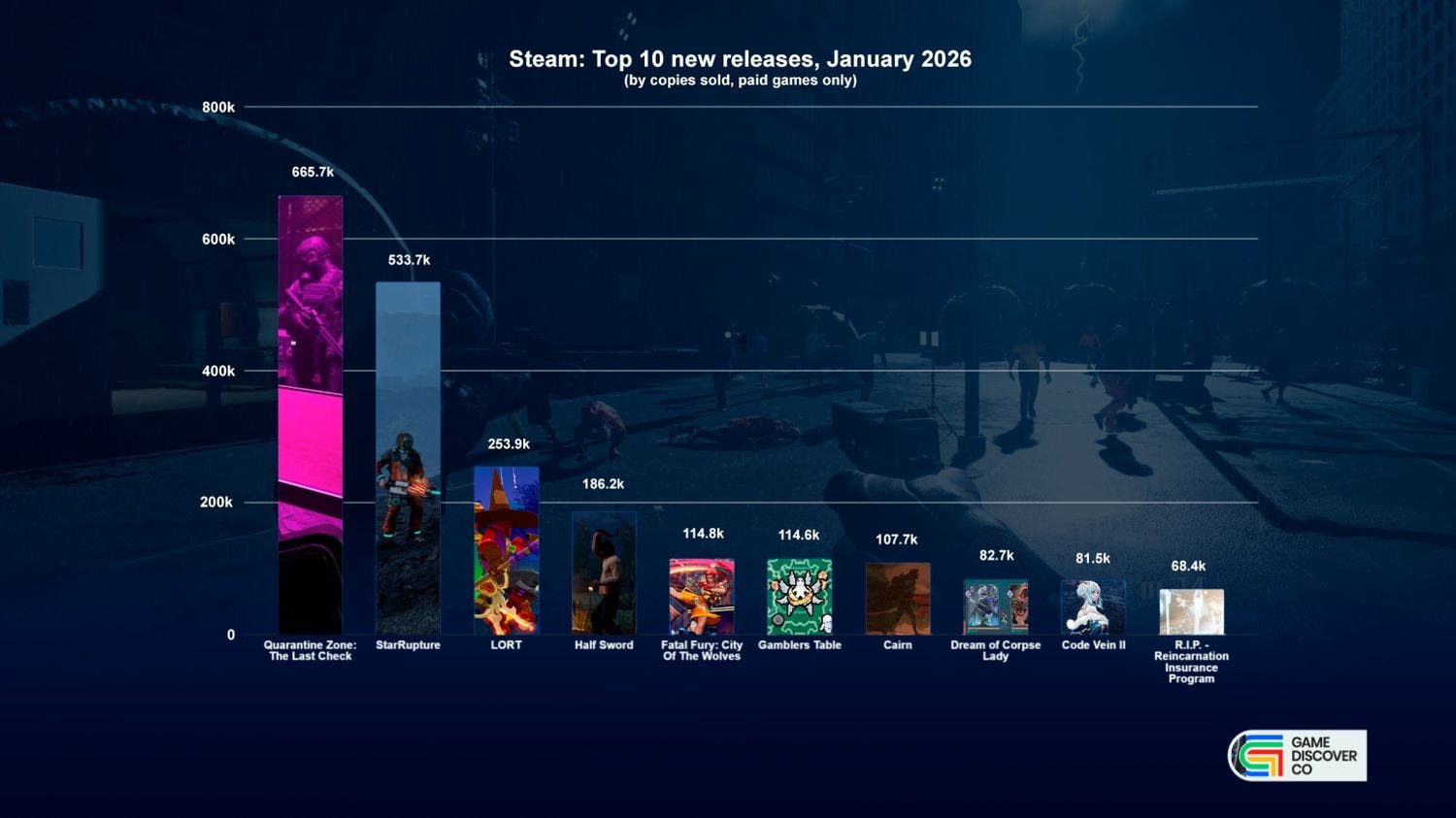


January 2026 S Top Selling New Steam Games Revealed 08418405 04a2 47eb B48b 1500x843 . How To Add Non Steam Games And Software To Steam 2026 Use Steam . Steam Sale 2026 Key Dates You Need To Know LevelUpTalk Steam Sale Schedule 2026 08 27 2025 7c35051e 2c22 4093 96f1. How To Use Steam Game Keys 2026 Easy Guide YouTube . Steam Drops Free Download For Gorgeous New 2026 Game





Can You Play Roblox On Epic Games Store Unpacking The Platforms GAMES IN 2026 . When Is The Next Steam Sale May 2026 Update Countdown. How To Borrow Games On Steam Tutorial YouTube . Steam 2026 UzIGEJbZAX . How To Share Games On Steam 2026 Steam Family YouTube