Navigating the vast library of Steam games can be daunting especially when trying to find quality titles that offer genuine value for your precious gaming hours. For busy US gamers balancing work family and life understanding what makes a game truly bad can save you time money and frustration. This comprehensive guide dives deep into the phenomenon of the lowest rated game on Steam exploring why these titles receive such dismal reviews and how you can spot them before hitting that purchase button. We will cover common pitfalls developer missteps and community red flags empowering you to make informed decisions and optimize your gaming experiences. From poor performance to predatory monetization schemes and broken promises we illuminate the dark corners of Steam reviews to help you avoid disappointment. Learn to identify key indicators of a low quality game and safeguard your leisure time for truly rewarding adventures.
What exactly defines the lowest rated game on Steam?
The lowest rated game on Steam is typically characterized by an "Overwhelmingly Negative" user review score, often below 10% positive reviews. This signifies a title with fundamental and widespread issues, from severe technical problems like constant crashes and unplayable frame rates to poor game design, misleading content, or aggressive, predatory monetization. It's a clear signal from the community that the game fails to deliver on even basic expectations.
How can I quickly identify the lowest rated games on Steam?
To quickly identify the lowest rated games, visit the Steam store, select 'Browse' or 'Categories', then sort games by 'User Reviews: Mostly Negative' or 'User Reviews: Overwhelmingly Negative'. Also, pay close attention to the review summary on a game's individual store page and check the percentage of positive reviews. A low percentage, especially with a high number of reviews, is a definitive indicator.
Why do some developers release games that end up as the lowest rated on Steam?
Developers might release games that become the lowest rated due to various factors including insufficient budget or time, lack of experience, poor project management, or even deliberate attempts to profit from minimal effort ('asset flips' or scams). Sometimes, unexpected technical challenges or a sudden shift in development priorities can also lead to a poorly received final product.
Can a game's rating improve if it starts as one of the lowest rated games on Steam?
It's challenging but possible for a game to improve its rating if it starts as one of the lowest rated on Steam. This requires a significant and sustained commitment from the developers to address core issues, release substantial bug fixes, add promised content, and engage transparently with the community. Examples exist, but they are relatively rare.
What are the most common complaints associated with the lowest rated games on Steam?
Common complaints for the lowest rated games on Steam include severe bugs and glitches, terrible performance (low frame rates, crashes), misleading store page descriptions or screenshots, repetitive or uninspired gameplay, lack of content, intrusive microtransactions or pay-to-win elements, and poor developer communication or abandonment post-launch.
Is it worth trying a game that is among the lowest rated on Steam for curiosity's sake?
For most busy gamers, trying a game that is among the lowest rated on Steam for curiosity's sake is generally not recommended. Your time is valuable, and the likelihood of a genuinely enjoyable or novel experience from such a title is extremely low. It's usually a recipe for frustration rather than fun, though some might find a certain "so bad it's good" appeal in extreme cases.
How do current gaming trends like mobile dominance and social play impact a game's potential to be lowest rated?
Current trends like mobile dominance and social play heighten expectations for polish, accessibility, and community features. Games lacking these, or suffering from poor cross-platform integration, can disappoint players. If a PC game feels like a cheap mobile port or fails to offer robust social interaction in an era where friends game together via Discord, it risks negative reviews and potentially joining the ranks of the lowest rated game on Steam.
Hey fellow gamers! Ever find yourself staring at your Steam library after a long day, only to realize you've got a backlog of games you barely touched, or worse, ones that just weren't worth the download? In the whirlwind of balancing work, family, and that precious gaming time, the last thing any of us needs is to waste moments on a dud. It's a common story: you see a cool trailer, read a promising description, hit purchase, and then... disappointment. This isn't just about losing a few bucks; it's about losing your valuable relaxation time.
With 87% of US gamers regularly diving into virtual worlds, often for 10+ hours a week, and mobile gaming continuing its dominance alongside PC and console, our time is more fragmented than ever. We seek genuine fun, skill-building, and social connections, not frustrating glitches or empty promises. The Steam store, a vast universe of titles, inevitably harbors some real stinkers, often earning the dreaded title of the "lowest rated game on Steam." But fear not! This guide is your ultimate shield against those time-wasting digital duds. We're going to arm you with the knowledge to spot the warning signs, understand what truly sinks a game's reputation, and ensure your hard-earned cash and even harder-earned free time are spent on titles that deliver.
Let's dive into how you can expertly navigate the Steam minefield and keep your gaming experiences top-tier, even when life keeps you busy. You deserve games that respect your time and offer true enjoyment.
What Exactly Makes a Game the Lowest Rated on Steam?
When a game earns the infamous title of the lowest rated game on Steam, it's typically a cumulative result of numerous critical failures, often reflected in 'Mostly Negative' or 'Overwhelmingly Negative' user reviews. These aren't just subjective dislikes; they point to fundamental issues that break the player experience. Common culprits include severe technical problems like constant crashes, unplayable frame rates, and game-breaking bugs. Beyond technical woes, poor game design, such as repetitive gameplay, a lack of content, or fundamentally flawed mechanics, frequently contributes. Another significant factor is developer conduct, especially practices perceived as predatory, like aggressive microtransactions, pay-to-win mechanics in a full-priced game, or abandoning a game shortly after launch. For many busy US gamers who value their dollar and limited free time, these issues are deal-breakers.
How Do Steam's Review System and Metrics Work for Identifying Poor Games?
Steam's review system provides a vital, community-driven barometer for game quality. When you look at a game's store page, you'll see an overall review score (e.g., 'Mostly Positive,' 'Mixed,' 'Mostly Negative'), calculated from all user reviews. More recent reviews are often highlighted, which is crucial for understanding a game's current state, especially if it has received patches or updates. Gamers can leave thumbs up or down, write detailed reviews, and even mark reviews as 'helpful' or 'funny.' Critically, Steam tracks play time for reviewers, lending credibility to opinions from players who've genuinely invested hours. Filtering reviews by 'Most Helpful' or 'Recent' can quickly highlight common complaints or recent issues. A sudden drop in positive reviews often signals a developer misstep or new problem, indicating a potential lowest rated game on Steam contender.
What Are the Top Red Flags to Look For on a Steam Store Page?
Spotting a potentially bad game starts before you even launch it. On the Steam store page, several red flags should immediately make you cautious. First, check the release date versus the review count; if a game has been out for a while with very few reviews, it might indicate low player engagement. Next, scrutinize the game description and screenshots: are they generic, low quality, or do they seem too good to be true? A common tactic for bad games is to use misleading visuals or promise features that aren't actually present. Look at the 'Developer' and 'Publisher' information; unfamiliar names with no prior reputable releases can be a warning sign. Lastly, a price tag that seems disproportionately high for a seemingly simple game, especially one with a low review score, is a huge red flag for the lowest rated game on Steam. Don't be afraid to click away if something feels off.
Why Do Developers Release Games That Become the Lowest Rated?
The reasons behind releasing a game that ultimately becomes a "lowest rated game on Steam" are varied but often boil down to a mix of ambition, inexperience, and sometimes, unfortunate circumstances. Small independent studios might run out of budget or time, forcing them to release an unfinished product. Larger studios might suffer from poor project management, scope creep, or internal conflicts. In some cases, developers might genuinely lack the technical skill or design expertise to deliver a quality product. There are also instances of 'asset flips' – games made from pre-bought store assets with minimal original content – or outright scams designed to quickly grab cash. Predatory monetization strategies, like excessive loot boxes or aggressive pay-to-win elements introduced post-launch, can also tank a game's reputation, alienating the community they hoped to build.
Are There Any Hidden Gems Among 'Mostly Negative' Games?
While extremely rare, it's possible to find a niche game with a 'Mostly Negative' rating that might appeal to a very specific audience, but these are exceptions, not rules. Often, these games might have one unique, albeit poorly executed, mechanic that a tiny group of players appreciates, or they might be so broken they've achieved a cult 'so bad it's good' status. However, for the average gamer looking for a reliable, enjoyable experience, actively seeking out games labeled as the lowest rated game on Steam is a risky venture. Your time is valuable, and the chances of striking gold are incredibly slim compared to the vast sea of truly excellent, well-regarded titles available. It's usually best to trust the crowd on this one.
How Can I Avoid the Lowest Rated Games and Find Quality Titles Instead?
To consistently find quality games and avoid the lowest rated game on Steam, proactive research is your best friend. Start by checking trusted gaming news sites and reputable review outlets before purchasing. Watch gameplay videos on YouTube or Twitch from real players, not just promotional trailers. Engage with gaming communities on platforms like Discord or Reddit; active players often offer candid opinions and warnings. Utilize Steam's own filtering and sorting options – sort by 'User Reviews' or 'New and Trending' to see what's currently popular and well-received. Keep an eye on sales from established developers and publishers. Many gamers, averaging age 36, appreciate value for money, so checking historical low prices and bundles can also be beneficial. Remember, patience often pays off, waiting for reviews and patches post-launch can save you from a bad buy.
What Role Does Community Feedback Play in a Game's Reputation?
Community feedback is the backbone of a game's reputation on platforms like Steam, influencing millions of purchase decisions. In 2026, social gaming trends are stronger than ever, with players frequently discussing experiences on Discord, forums, and streaming platforms. Positive feedback builds hype and drives sales, while negative feedback can quickly doom a title, especially if it becomes the lowest rated game on Steam. Developers who actively listen to and engage with their community, responding to bug reports and implementing requested features, often foster a loyal player base, even if their initial launch was rocky. Conversely, developers who ignore feedback, censor criticism, or exhibit poor communication can quickly alienate players, leading to a cascade of negative reviews and a toxic reputation. Player opinion is paramount.
Are Game Updates and Post-Launch Support Important for a Game's Long-Term Rating?
Absolutely, post-launch support and consistent updates are critical for a game's long-term viability and its standing on Steam, often transforming a rocky launch into a beloved title. Many games initially receive 'Mixed' or even 'Mostly Negative' reviews due to bugs, performance issues, or lack of content. However, dedicated developers who commit to fixing problems, adding new features, and optimizing performance can dramatically improve their game's standing. This commitment shows respect for the players' investment, turning initial critics into advocates. Conversely, a game that launches well but receives no further support can slowly see its player base dwindle and its reputation slide, especially as new bugs emerge with system updates or as player expectations evolve. Long-term support is a clear signal of developer care and a key factor in avoiding the "lowest rated game on Steam" label.
Navigating the vast digital landscape of Steam can feel like a gamble, especially when you're a busy gamer trying to make the most of every precious minute. But with the right knowledge and a keen eye for warning signs, you can confidently steer clear of those infamous lowest rated game on Steam titles. Remember to prioritize community reviews, scrutinize store pages, and always be wary of promises that seem too good to be true. Your time and money are valuable, and investing them in quality experiences means more relaxation, more fun, and more genuine connections with fellow players.
By applying these strategies, you're not just avoiding bad games; you're actively curating a richer, more satisfying gaming life, ensuring your escapism is truly enjoyable. What's your biggest gaming challenge when picking new titles? Comment below and let's keep the conversation going!
What is the lowest rated game on Steam currently?
Identifying the absolute lowest rated game on Steam can be fluid, as ratings change. Generally, it's a game with an "Overwhelmingly Negative" user score, often below 10% positive reviews, plagued by severe bugs, misleading content, or developer abandonment. These games often become infamous within the gaming community for their critical failures.
Can I get a refund for a lowest rated game on Steam?
Yes, Steam's refund policy allows refunds for almost any reason if the request is made within 14 days of purchase and you have played the game for less than two hours. This policy is incredibly helpful for quickly bailing out of a truly lowest rated game on Steam without losing money.
Are free-to-play games ever considered the lowest rated on Steam?
Yes, free-to-play games can absolutely be among the lowest rated on Steam. While they cost nothing to acquire, they can still suffer from poor design, aggressive monetization, technical issues, or a lack of meaningful content, leading to overwhelmingly negative community feedback despite their zero price tag.
How reliable are Steam reviews for avoiding bad games?
Steam reviews are generally highly reliable, especially when considering the overall sentiment and recent reviews. They provide a collective voice from thousands of players, often highlighting crucial issues like performance, bugs, and developer support. Paying attention to reviews from players with significant playtime adds further credibility.
Does early access contribute to low ratings?
Early Access games can sometimes receive lower initial ratings if they are released in a very unpolished or incomplete state, disappointing players who expected more. However, many successful Early Access games improve significantly over time. It's crucial to check recent reviews and developer communication to gauge progress.
Is it possible for a lowest rated game to improve over time?
While rare, some games that initially receive abysmal ratings can improve significantly if the developers commit to extensive updates, bug fixes, and content additions. This requires a dedicated effort and transparency with the community, potentially turning a "lowest rated game on Steam" into a cult classic or even a moderately successful title over years.
Understanding the metrics for lowest rated game on Steam identifying common red flags in game reviews and store pages spotting poor performance and predatory monetization recognizing developer mismanagement and broken promises leveraging community feedback to avoid bad purchases and optimizing gaming time for quality experiences.
35
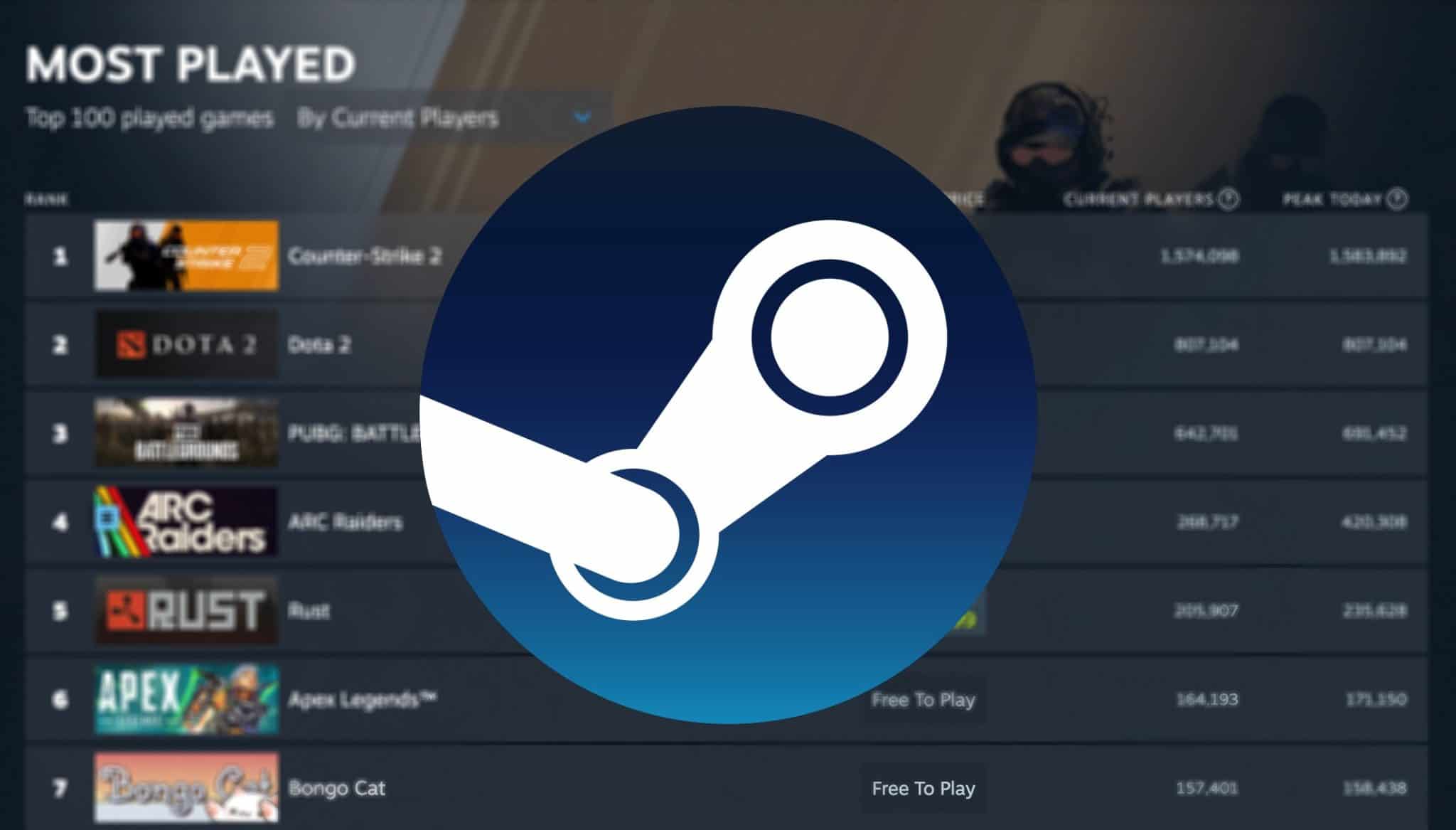


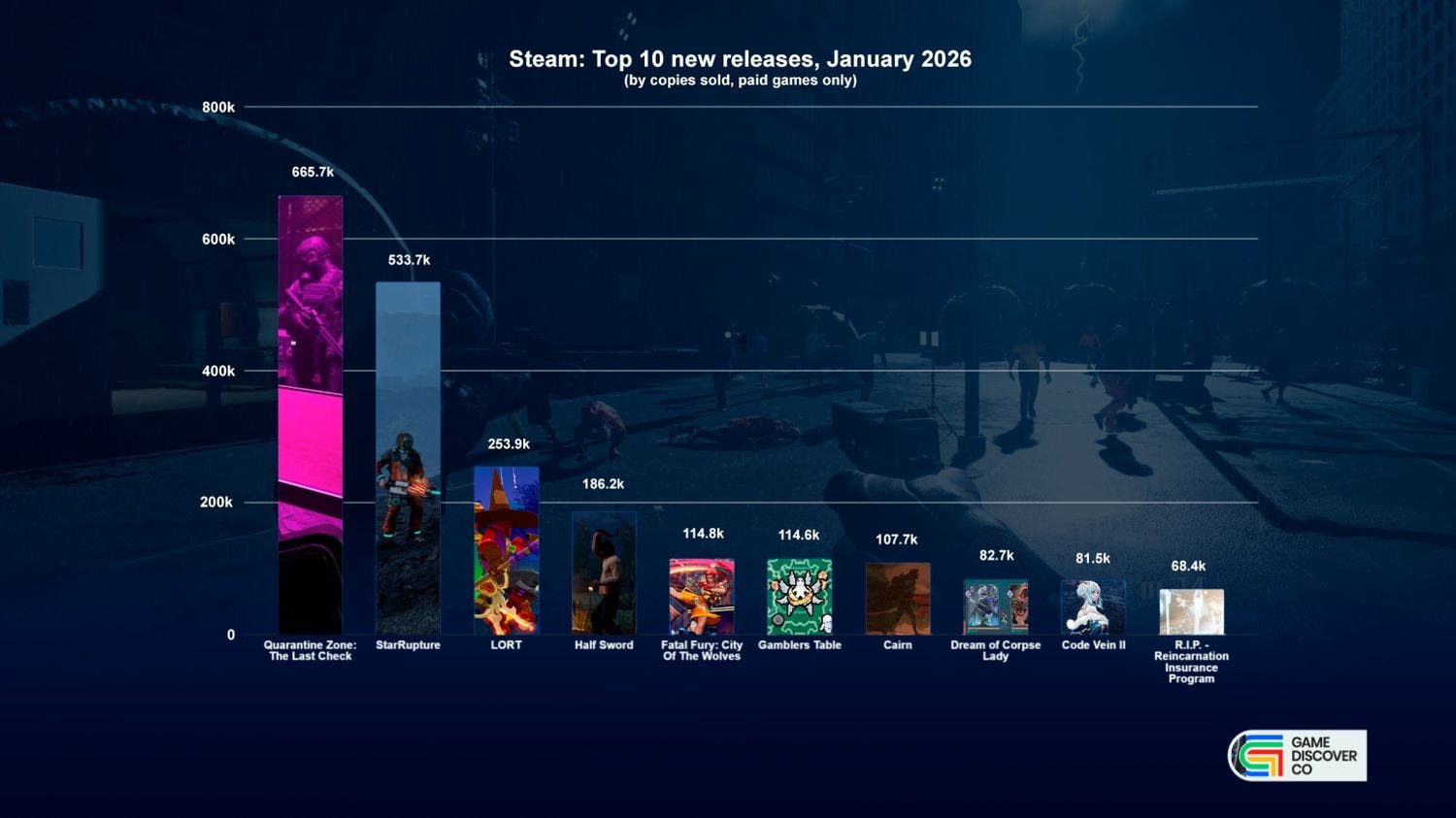
Football Manager FM Scout Football Manager 2026 Is Currently The Media. The Most Played Games On Steam For 2026 So Far Cheat Code Central Most Played Games Steam 2026 2048x1167 . OW2 Is Now The 2nd Lowest Rated Steam Game Of All Time And The Lowest Ow2 Is Now The 2nd Lowest Rated Steam Game Of All Time And V0 . Top 10 Most Wishlisted Games On Steam 2026 Deface Games Top 10 Most Wishlisted Games On Steam 2026 . January 2026 S Top Selling New Steam Games Revealed 08418405 04a2 47eb B48b 1500x843
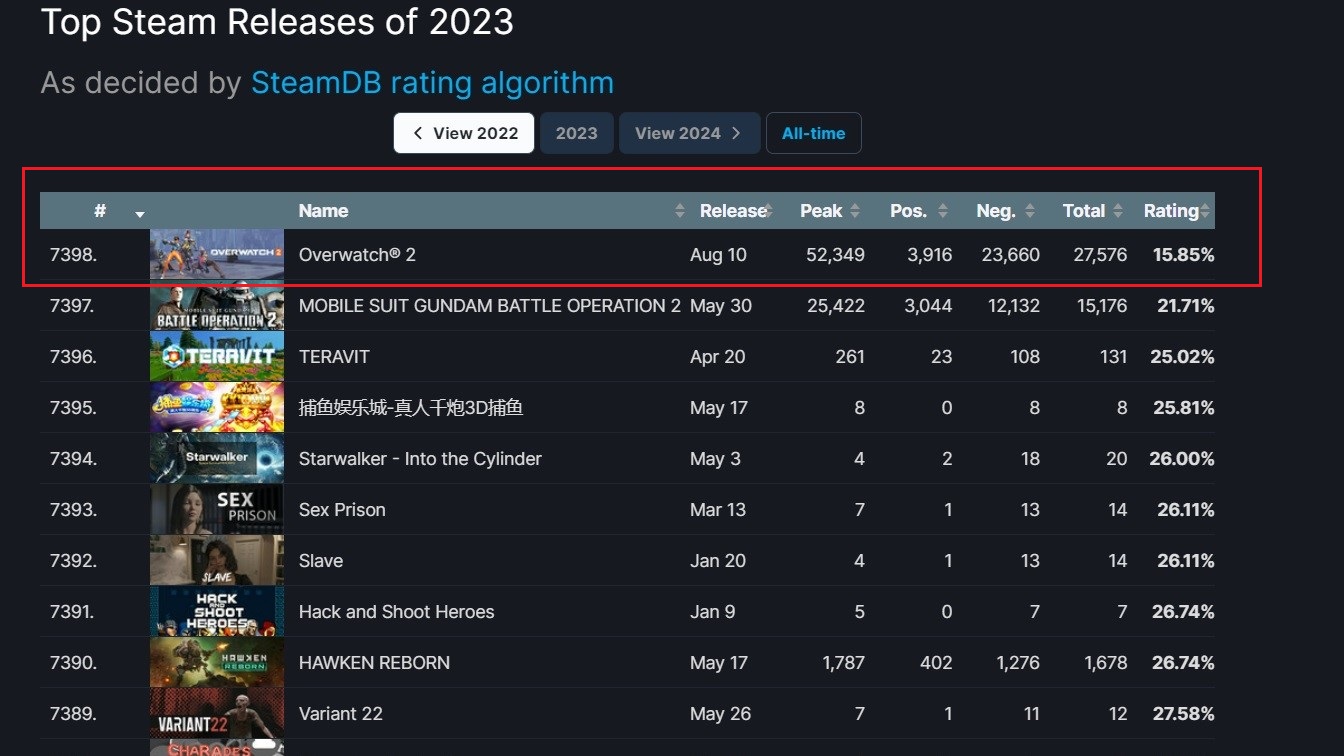

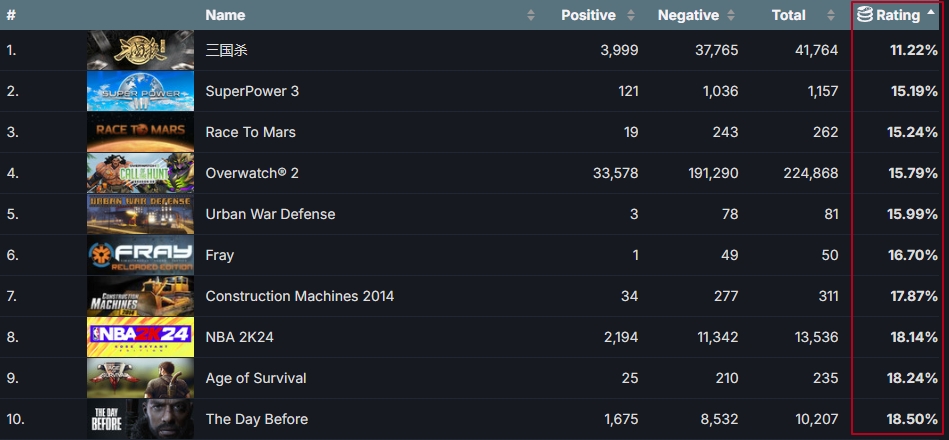

Overwatch 2 Is Steam S Least Popular Game This Year Windows Central . Ranking The Lowest Rated Games On Steam Pt 1 YouTube . Rekomendasi Game Steam Spring Sale 2026 Wajib Beli Steam Awards 2025 Winners 1024x576 . The Day Before Is One Of The Lowest Rated Steam Games Of All Time Day Before Worst Rated Steam . The Top 2026 Games By Steam Wishlists By Rhys Elliott Fc2aa87f 2277 4294 9e7b 1920x1080


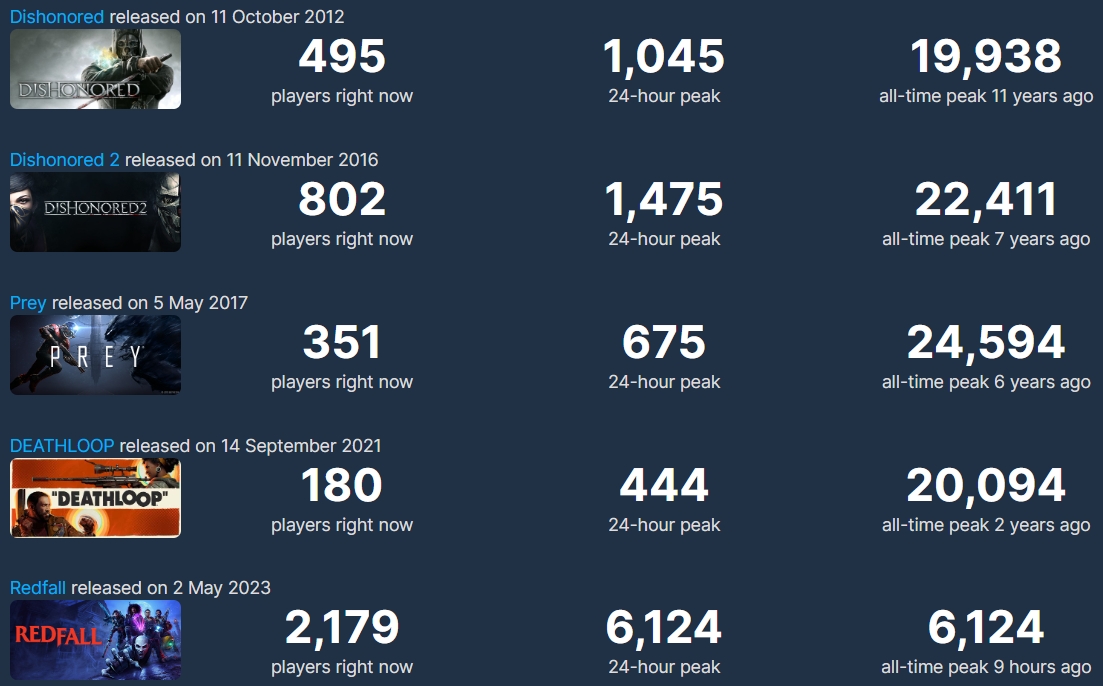
The Day Before Is Now Officially One Of The Lowest Rated Steam Games Of The Day Before Is Now Officially One Of The Lowest Rated Steam Games Of All Time 1 1024x420 . Top 10 Most Anticipated Games Of 2026 What To Watch Out For TVN GAMES IN 2026 . The Steam Spring Sale 2026 Kicks Off With Discounts On Thousands Of 1920 80 . Redfall Becomes Arkane S Lowest Rated Game With Players Wondering How Arkane Steam Ccu . State Of Steam 2024 Almost 19k New Games 24 Titles With 100k CCU Steam Worst Rated Games 2024



Steam Next Fest February 2026 The 22 Best Game Demos The Best Steam Next Fest Demos 2026 The Punished Backlog Order 2 300x162 . Shadowverse Becomes One Of The Lowest Rated Games Of All Time On Top Lowest Rated Games On Steam . Overwatch 2 Is The Lowest Rated Game On Steam R Steam Overwatch 2 Is The Lowest Rated Game On Steam V0 . Best Free Steam Games For Low End PCs 2026 15 Great Picks For Weak Rigs Image. Best Games On Steam April 2026 Wasdland Com Page 378 Share

Best First Person Shooter Games On Steam 2026 Edition LRDev Games 1.Best RPG Games On Steam.webp. Best Steam Horror Games To Play 2026 Edition LRDev Games 1.Best RPG Games On Steam Complete Guide.webp. Best Free Steam Games For Low End PCs 2026 15 Great Picks For Weak Rigs Image. Best First Person Shooter Games On Steam 2026 Edition LRDev Games 1.Best Indie Multiplayer Games On Steam.webp. Best Free Steam Games For Low End PCs 2026 15 Great Picks For Weak Rigs Image

The Best Free Steam Games For 2026 The Absolute Best Steam Games For 2026 Vg5m.640 . Best Free Steam Games For Low End PCs 2026 15 Great Picks For Weak Rigs Image. Steam S Lowest Rated Games Highguard Pcgamer Pcgaming Steam Media. Best Free Steam Games For Low End PCs 2026 15 Great Picks For Weak Rigs Image. Steam 2026 4 New Free To Play Games Available Now AllKeyShop Com Showcase Steam Free Games 2026 Indie F2p Card Roguelike Sci Fi


The Most Played Games On Steam For 2026 So Far Cheat Code Central Steam Top Games July . Steam Sets New Record With 34 Million Concurrent Users In 2024 Baldurs Gate 3 Steam Revenue 1024x576 . Best Free Steam Games For Low End PCs 2026 15 Great Picks For Weak Rigs Image. I Bought And Played The Lowest Rated Games On Steam YouTube . Steam Sale Dates 2026 When Is The Next Steam Sale